Eden Apothecary · Herb Profile
Capsella bursa-pastoris
Pronounced Shepherd's Purse: SHEP-erdz PURSS. Capsella bursa-pastoris: kap-SEL-uh BUR-suh pas-TOR-iss.
Cool and drying: an astringent, salty styptic that tightens lax, atonic tissue to check passive hemorrhage from the uterus and urinary tract, while draining boggy damp through a mild diuresis.
Avoid. Shepherd's purse is a uterine stimulant with a documented oxytocic (uterine-contracting) action, and standard references contraindicate it throughout pregnancy for the risk of provoking contractions (AHPA Botanical Safety Handbook, 2nd ed.; Brinker, Herbal Contraindications and Drug Interactions; Mills and Bone, Principles and Practice of Phytotherapy). Its only traditional obstetric use is short-term, in or immediately after labor to help the uterus contract and to check postpartum bleeding, and then only under the care of an experienced midwife or clinician. It should not be taken as a home remedy at any point in pregnancy.
Insufficient data; best avoided except under professional supervision. There is not enough reliable information to establish safety during breastfeeding, and the mustard-family glucosinolates may transfer into breast milk and disagree with the infant (Mills and Bone; TRC Natural Medicines and WebMD clinical safety monographs). Short-term supervised postpartum use to control bleeding is a separate indication; routine or prolonged use while nursing is not recommended.
Not established. No adequate pediatric safety data exist, and given the herb's uterine and vasoactive amines it should be used in children only under professional guidance (Mills and Bone; clinical safety monographs). Prefer better-studied, gentler options for common childhood complaints.
Generally well tolerated at customary doses. Large amounts may cause drowsiness, and the vasoactive amines can shift blood pressure up or down and affect heart rate, so use cautiously in cardiovascular disease and where blood pressure is unstable. Because it stimulates the uterus, it must not be used in pregnancy (see safety fields). Potency is unreliable in old, dried, or poorly-stored herb, and some historical oxytocic effect was traced to a fungal contaminant of stored material, so use fresh, cleanly-sourced plant. As a mustard-family plant it may rarely provoke allergy.
Pregnancy (uterine stimulant; avoid). Known cardiovascular disease, arrhythmia, or unstable blood pressure (vasoactive amines). Concurrent warfarin or other anticoagulants without monitoring (vitamin K content and reported coagulation effects). Known hypersensitivity to Brassicaceae. Lactation and young children except under professional supervision (see safety fields).
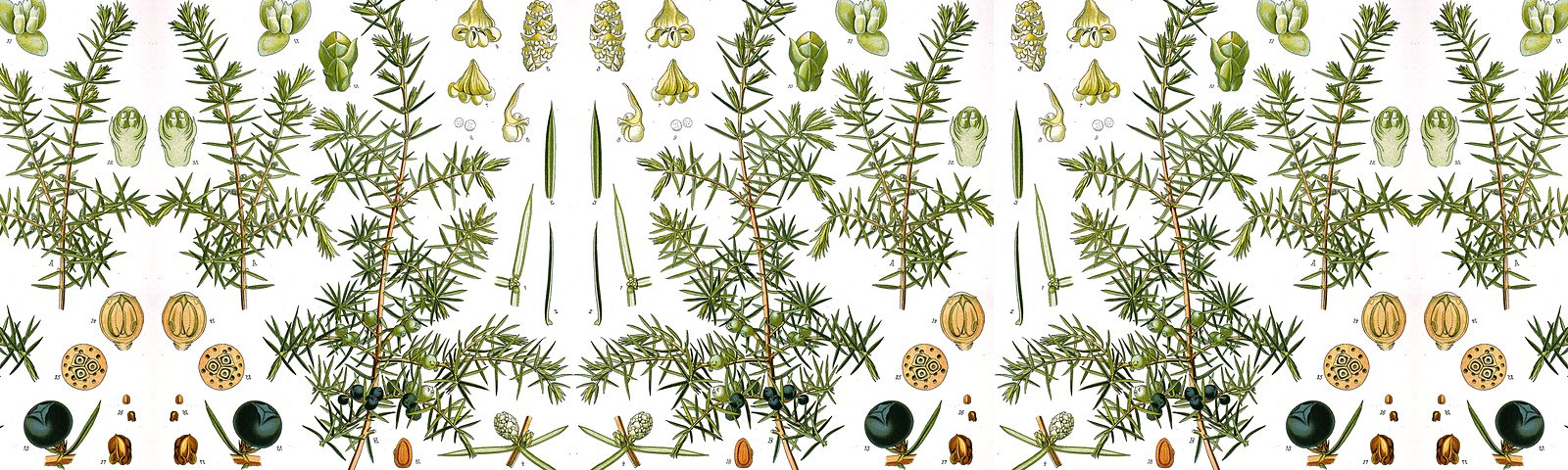
One of the most common weeds on earth: abundant, prolifically self-seeding, and of no conservation concern; it is not listed by United Plant Savers. The real cautions are contamination and identity, not scarcity: it readily takes up nitrates and heavy metals from disturbed and roadside ground, so gather only from clean sites; confirm identity by the basal rosette and the diagnostic heart-shaped seed pods among the small Brassicas; and favor the fresh plant, since potency falls sharply once the herb is dried and stored.
Not in canonical biblical texts. A cosmopolitan weed of Eurasian origin (Eastern Europe and Asia Minor), now naturalized worldwide. The Latin bursa pastoris (shepherd's purse or scrip) names the heart-shaped seed pods that resemble the leather pouch a shepherd carried; it is not securely identified in Dioscorides or Pliny. Culpeper's The English Physician (1652) lists it as a herb of Saturn for staunching blood. In China it is Ji Cai, long eaten as a spring vegetable and named as a sweet herb in the ancient Book of Odes (Shijing).
The same herb can calm one person and wire another. Our free assessment reads your pattern across temperature, moisture and tone, then matches herbs to it.
Teaching children at home? Eden's Table builds a full herbalism curriculum around plants like this one.