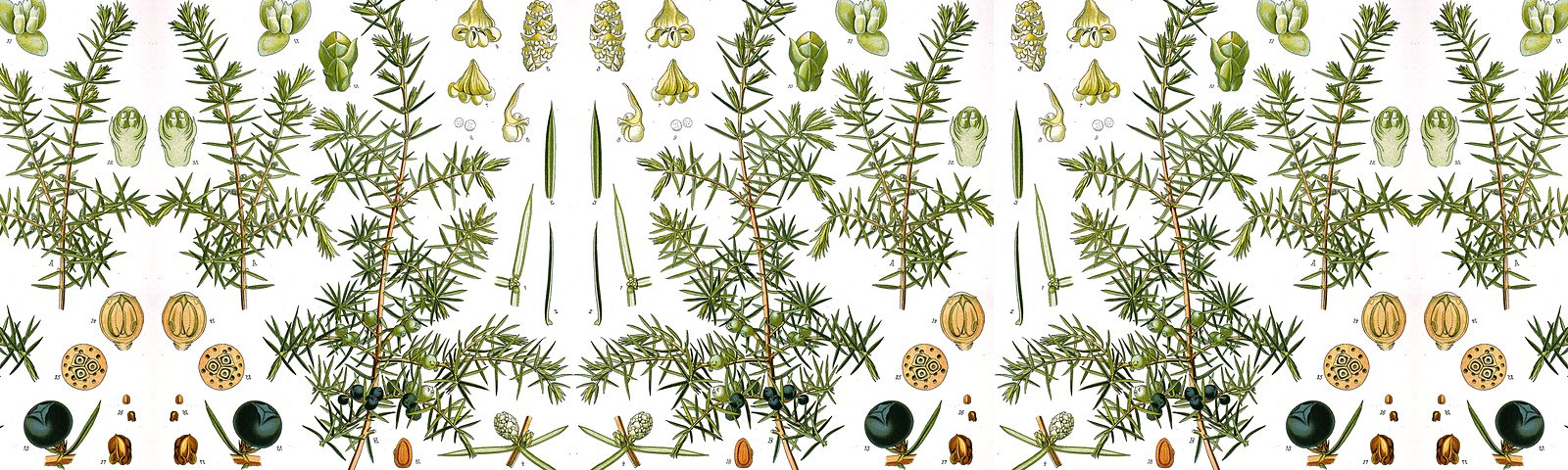
Eden Apothecary · Herb Profile
Atractylodes lancea
Pronounced Grey Atractylodes (at-rack-TIL-oh-deez); Cang Zhu (tsahng joo); Atractylodes lancea (a-TRACK-ti-loh-deez lan-SEE-uh).
Warm, drying and aromatic: the rousing hearth-fire that wrings water from a cold, boggy, torpid middle and moves damp out of the joints.
Avoid during pregnancy unless prescribed and monitored by a qualified practitioner. Traditional Chinese and modern herbal references describe Cang Zhu as an aromatic, warming, drying, mildly diaphoretic rhizome and advise against unsupervised use in pregnancy; controlled human pregnancy safety data are lacking. NEEDS REVIEW: a definitive modern AHPA/NCCIH pregnancy class rating for A. lancea was not confirmable from retrievable sources, so treat as precautionary-avoid.
Insufficient human data. Commonly advised to avoid during lactation except under professional supervision; no documented galactagogue or lactifuge effect. Precautionary avoidance is the conventional stance.
No established pediatric safety data as a stand-alone herb. In traditional practice used only in small, formula-based, practitioner-supervised doses; not recommended for unsupervised pediatric self-care given its strong warming, drying action.
Strongly warming and drying. Use only briefly, in reduced dose, and paired with moistening or blood-nourishing herbs, in anyone with dryness, thirst, dry constipation, night sweats or interior heat. Possible cross-sensitivity in those allergic to other Asteraceae (ragweed, daisy, marigold, chrysanthemum). Not a long-term single-herb self-care remedy; classically used inside balanced formulas such as Ping Wei San and Er Miao San. Do not substitute for Bai Zhu (Atractylodes macrocephala).
Yin deficiency with interior heat, fluid depletion or dehydration, and deficient (empty) heat patterns. Qi-deficient spontaneous sweating. Known Asteraceae-family allergy.
Not listed by United Plant Savers (a North American registry). Wild Maoshan 'mao cangzhu' populations in China have been depleted by overharvest and habitat loss; source cultivated rhizome (Hubei, Jiangsu) from reputable suppliers rather than wild-dug material.
Not in canonical biblical texts. An East Asian materia medica herb, first recorded as 'zhu' in the Shennong Ben Cao Jing (Divine Farmer's Classic of Materia Medica, c. 100 CE) and refined into Cang Zhu versus Bai Zhu in later Chinese pharmacopoeia.
The same herb can calm one person and wire another. Our free assessment reads your pattern across temperature, moisture and tone, then matches herbs to it.
Teaching children at home? Eden's Table builds a full herbalism curriculum around plants like this one.